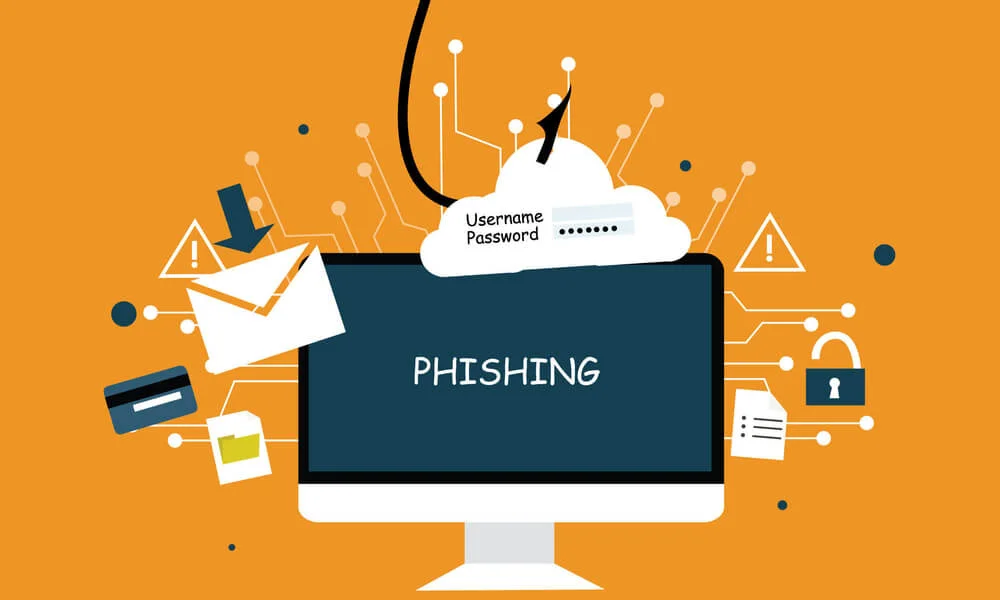
Phishing is a sophisticated form of cyberattack where malicious actors trick individuals into revealing confidential information, such as passwords, credit card details, or personal identification data. Typically, phishing scams involve fraudulent communication, often through emails or text messages, that appear to come from trusted institutions or organizations. These deceptive tactics exploit human psychology, using urgency, fear, or curiosity to manipulate recipients into responding hastily without thoroughly verifying the message’s authenticity.
As technology advances and online services proliferate, phishing attacks have evolved in both scope and complexity. Targeting individuals, businesses, and even government entities, phishing remains one of the most prevalent forms of cybercrime. Scammers exploit these deceptive practices to steal personal and financial information, enabling identity theft, unauthorized transactions, and other fraudulent activities. In today’s digital landscape, heightened awareness and proactive measures are essential to defend against these increasingly sophisticated attacks.
Phishing Scams: How They Operate
Phishing scams rely on impersonation tactics, where cybercriminals pose as legitimate institutions or trusted individuals to deceive their victims. They craft fraudulent emails, text messages, or phone calls that appear to come from reliable sources, such as banks, service providers, or government agencies. These messages often prompt the victim to click on a malicious link or provide sensitive information. By tricking users into giving up login credentials, credit card numbers, or personal data, phishers can exploit this information for financial gain or identity theft.
Once a victim’s information is compromised, attackers can initiate unauthorized transactions, access confidential accounts, or leverage the stolen data for further criminal activities. Phishing schemes pose significant risks to both individuals and businesses, making it essential to understand the various methods scammers use and how to safeguard against them.
Common Phishing Scam Scenarios
Phishing Scam Recovery
Recovering from a phishing scam requires decisive and immediate action to minimize potential damage. Start by changing the passwords for all compromised accounts and activating multi-factor authentication (MFA) to add an extra layer of security. Contact the organizations linked to the affected accounts, such as banks or service providers, to report the incident and freeze accounts if necessary. It is also important to run a thorough security check on all devices to remove any malware or spyware installed during the attack.
To ensure a complete recovery and prevent future breaches, enlisting the help of a professional recovery firm can make a significant difference. Suave Reconn offers comprehensive phishing scam recovery services, providing expert guidance through every step of the process. From securing your digital assets to investigating the source of the breach, the firm works diligently to restore your accounts and protect your information from further exploitation.
How to Detect Phishing Scams?
- Email Phishing
One of the most widespread forms of phishing, email phishing involves sending fraudulent emails that appear to come from reputable organizations, such as banks, online retailers, or payment processors. These emails often contain urgent requests to update account information, verify identities, or log in to resolve a security issue. The included link directs victims to a fake website designed to mimic a legitimate site, where their login credentials are stolen. Once the phishers have access, they can drain accounts or commit other fraudulent activities.
- Spear Phishing
Spear phishing is a highly targeted form of phishing that focuses on specific individuals or organizations. Unlike broad phishing campaigns, spear phishers tailor their messages to the victim, often using personal details gathered from social media or public sources to make the scam more convincing. For instance, a scammer might pose as a senior executive within a company and request sensitive information from an employee, such as financial records or login credentials. This level of personalization increases the likelihood of success, as the victim may be less suspicious of the request.
- Clone Phishing
In clone phishing, attackers replicate legitimate messages that the victim has previously received. By duplicating an actual email or communication, scammers replace legitimate links or attachments with malicious ones, making the new message appear trustworthy. Because the victim recognizes the format or sender, they are less likely to scrutinize the message, increasing the chance of falling for the scam. The attackers typically aim to capture sensitive information or install malware through these altered messages.
- Smishing (SMS Phishing)
Smishing is a form of phishing that uses text messages instead of emails to trick victims into revealing personal information. Attackers send fake SMS messages that appear to come from legitimate sources, such as banks, government agencies, or service providers. These messages often contain a sense of urgency, asking the recipient to click a link or provide details to resolve an issue. The malicious links often lead to fraudulent websites designed to capture login credentials or other sensitive information.
- Vishing (Voice Phishing)
Vishing scams involve attackers impersonating legitimate organizations over the phone. These scammers may claim to be from a bank, government agency, or tech support service, often using urgency or authority to coerce victims into revealing personal details or making payments. For example, a scammer might call pretending to be a bank representative warning of suspicious activity and request sensitive information, such as a Social Security number or account password, to “secure” the account.
- HTTPS Phishing
A relatively newer method, HTTPS phishing, capitalizes on the public’s growing awareness of secure websites. Many people are taught to trust sites that display “HTTPS” in the URL, indicating they are encrypted and secure. However, phishers exploit this by creating fake websites with HTTPS certificates to trick victims into believing the site is legitimate. Despite appearing secure, these fraudulent sites are designed to capture login credentials, payment information, or other personal data once users enter it, under the false assurance that the site is “safe.”
How to Detect Phishing Scams?
- Suspicious Sender Details
Always verify the sender’s email address or phone number carefully. Often, phishing attempts come from addresses or numbers that are slightly altered versions of legitimate ones.
- Unexpected Requests for Personal Information
Be wary of unsolicited requests for sensitive data like passwords, credit card details, or Social Security numbers. Legitimate institutions will rarely ask for such information via email, text, or phone.
- Unfamiliar Links and Attachments
Before clicking on any links, hover over them to see where they truly lead. If the URL looks unfamiliar or contains strange characters, it’s likely a phishing attempt.
- Poor Grammar and Spelling Mistakes
Phishing messages often have spelling or grammatical errors, as they may be generated quickly or sent from regions where English is not the first language.
- Too-Good-to-Be-True Offers
If an email or message offers incredible deals or rewards that seem unrealistic, it’s probably a scam. Be cautious of any communication that promises substantial benefits in exchange for personal information.
- Pressure to Act Quickly
Phishing scams often rely on creating a sense of urgency, encouraging victims to act immediately without thinking. Be cautious if a message demands fast action, such as a security threat or time-sensitive offer.
How to Avoid Phishing Scams?
- Enable Multi-Factor Authentication (MFA)
By requiring an additional step, such as a code sent to your phone, MFA adds an extra layer of security to your accounts. This makes it much more difficult for phishers to access your information, even if they obtain your password.
- Verify Before Responding
Always take the time to verify any unexpected requests for personal or financial information by contacting the organization directly using official contact details, not by responding to the suspicious message.
- Use Anti-Phishing Tools
Many email services and browsers offer built-in tools or extensions that can detect and block phishing attempts before they reach your inbox or browser.
- Stay Informed and Educate Others
Keeping yourself and your colleagues informed about the latest phishing techniques can significantly reduce the risk of falling victim. Regular training and updates are crucial to staying ahead of evolving scams.
- Monitor Accounts Regularly
Keeping a close eye on your financial and online accounts for any unusual activity can help catch phishing attempts early. Report any suspicious transactions or activities immediately.
What to Do When You Notice You Have Fallen Victim to a Phishing Scam?
If you suspect that you’ve fallen victim to a phishing scam, immediate action is crucial to mitigate the potential damage. Start by changing the passwords to any compromised accounts and enable multi-factor authentication (MFA) to secure access. Contact your financial institutions and service providers to inform them of the breach and request a hold or close monitoring of affected accounts for unauthorized activity.
Running a full security scan on all your devices is essential to identify and remove any malware that may have been installed. In cases where sensitive financial or personal data has been exposed, seeking assistance fromSuave Reconn can be highly beneficial. Suave Reconn provides expert phishing scam recovery services, helping you secure compromised assets, investigate the breach, and restore your peace of mind. Reporting the scam to the relevant authorities is also important to protect yourself and others from future incidents.
How can I recover my stolen data and funds from a phishing scam?
If your funds, data, and identity have been stolen by a phishing scammer, take prompt counter-measures, and trust Suave Reconn to guide through the process of recovering your funds, with adequate expertise and proficiency.
Latest News

The terms foreign exchange and currency are combined to form the term forex (FX). The process of changing one currency for another for a number of uses, most commonly trade, business, or travel, is known

Challenges and Techniques in Cryptocurrency Transaction Monitoring Cryptocurrencies have gained significant attention in recent years, with the market capitalization of cryptocurrencies surpassing $1 trillion in early 2021. However, the increasing popularity of cryptocurrencies has also

The cryptocurrency industry is a complex and largely uncontrolled global market. This combination has created a situation akin to the “Wild West,” where con artists may readily exploit novice cryptocurrency enthusiasts who are keen to