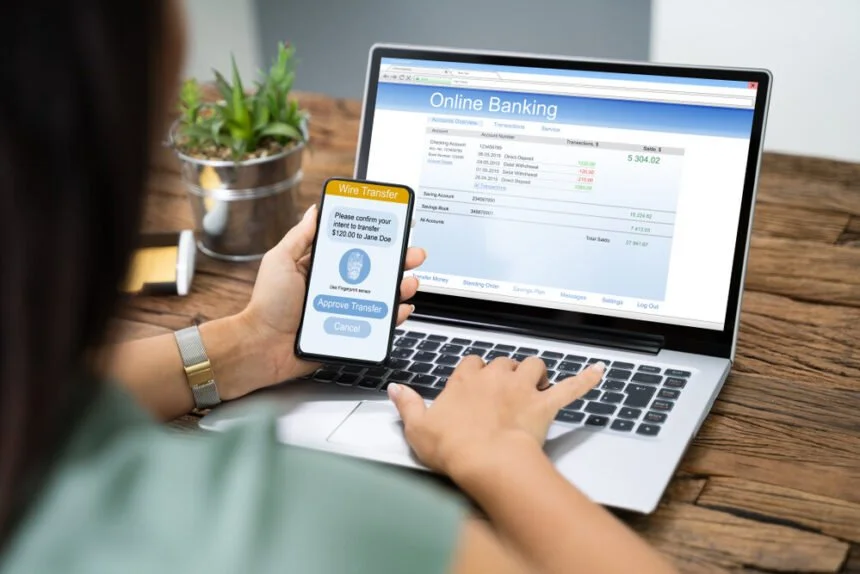
Online-banking has revolutionized the financial world, offering consumers unparalleled convenience and accessibility. Through secure digital platforms, individuals can manage their finances, transfer funds, pay bills, and track account activity from the comfort of their homes or on the go. Banks have invested heavily in creating user-friendly interfaces and implementing security measures to ensure that these digital transactions remain safe and efficient. However, with this ease of access also comes an increased vulnerability to cyber threats.
Despite the extensive precautions, online-banking has become a prime target for fraudsters seeking to exploit both technical vulnerabilities and human error. While banks continuously innovate their cybersecurity practices, malicious actors often develop sophisticated methods to deceive individuals into unknowingly giving them access to their accounts. This intersection of technology and financial transactions presents a growing risk for consumers who may fall victim to online-banking scams.
Online-banking scams
Online-banking scams are a broad category of fraudulent activities that target digital banking systems, with the aim of stealing personal and financial information. These scams often involve tricking users into revealing their login credentials, which then allows the scammer to access the victim’s account, steal money, or carry out unauthorized transactions. Cybercriminals use various methods such as phishing, malware, and impersonation to compromise account security.
As online-banking continues to rise in popularity, so do the strategies employed by scammers. These tactics can range from complex technical attacks to highly convincing social engineering schemes. Understanding how these scams operate and the risks involved is crucial in safeguarding your financial assets.
Common Online-banking scam Scenarios
- Phishing Emails:
One of the most common online-banking scams involves phishing emails. Cybercriminals send emails that appear to be from a legitimate bank, often using convincing logos, domain names, and even fake customer service numbers. These emails typically urge the recipient to take immediate action, such as verifying account details, resetting passwords, or confirming suspicious activity. Once the victim clicks on the provided link and inputs their credentials, the fraudster gains access to the account and can transfer funds or lock the victim out.
- Vishing (Voice Phishing):
Vishing is a phone-based scam where fraudsters pose as bank representatives and call unsuspecting individuals, claiming there is an issue with their account. The scammer may pressure the victim into revealing sensitive information such as their account number, password, or one-time passcodes. These calls are often made to sound urgent, and scammers are adept at manipulating victims into compliance by using alarmist tactics.
- Malware and Spyware:
Malware or spyware can be installed on a victim’s device after clicking on a malicious link or downloading an infected attachment. Once installed, these programs monitor the victim’s activities, including login credentials entered into banking sites. This enables the scammer to hijack the account and transfer funds without the victim’s immediate knowledge.
- Fake Banking Apps:
Cybercriminals create counterfeit banking apps that closely resemble legitimate ones. When users download these apps and enter their banking information, it is immediately transmitted to the scammers. Victims believe they are interacting with their bank, but in reality, they are giving fraudsters direct access to their accounts.
- Impersonation Scams:
In some cases, scammers will impersonate bank employees, contacting victims through email, phone, or social media, and pretending to offer assistance with technical issues or security concerns. They ask for login credentials or access codes under the guise of helping the victim protect their account. Once the information is shared, the scammer gains control over the account.
- Account Takeover Fraud:
Account takeover fraud occurs when a scammer successfully gains unauthorized access to a victim’s bank account and changes account details such as email addresses, phone numbers, or passwords. This prevents the legitimate account holder from regaining access while the fraudster makes unauthorized transactions or siphons funds.
Online-banking scam Recovery
Recovering from an online-banking scam requires swift action. As soon as you suspect that your account has been compromised, it’s essential to contact your bank immediately to freeze your account and halt any unauthorized transactions. Most banks have dedicated fraud teams that can assist in tracking and reversing suspicious activities. Time is of the essence, as the faster the fraud is reported, the higher the chances of recovering lost funds. Suave Reconnspecializes in online-banking scam recovery by employing advanced blockchain forensics and OSINT techniques to trace and reclaim stolen assets, ensuring that your finances are protected from further harm.
How to Detect Online-banking scam?
Detecting an online-banking scam often requires vigilance and an awareness of red flags.
- Unusual Requests for Information:
Be cautious if you receive unsolicited emails, messages, or calls asking for sensitive banking details, especially if the request is urgent or threatening. Banks rarely ask for passwords or access codes over email or phone.
- Suspicious Links or Attachments:
If an email or text message from your bank contains unfamiliar or mismatched URLs, do not click on them. Always manually enter your bank’s website URL into your browser.
- Unexpected Charges:
Regularly reviewing your bank statements for unusual or unauthorized transactions is a simple yet effective way to detect fraud.
- Pop-up Warnings or Fake Alerts:
Beware of pop-up warnings while browsing that claim your bank account has been compromised, urging you to click a link or download software.
- Fake Customer Service Contacts:
Verify any unsolicited contacts from people claiming to be bank representatives by calling the official customer service line directly.
- Login Notifications from Unknown Devices:
Many banks offer login alerts. If you receive a notification that your account was accessed from an unfamiliar device or location, it could signal a scam.
How to Avoid Online-banking scam?
- Enable Two-Factor Authentication (2FA):
Implementing 2FA adds an extra layer of security by requiring you to input a one-time passcode sent to your phone during login.
- Keep Your Software Updated:
Regularly updating your banking apps, antivirus software, and operating systems ensures that vulnerabilities exploited by scammers are patched.
- Avoid Public Wi-Fi:
Using unsecured public Wi-Fi networks to access your online banking account can leave you vulnerable to cyberattacks. Always use a secure and private network.
- Monitor Account Activity:
Keep a close eye on your bank statements and immediately report any unusual transactions. Early detection is key to minimizing damage.
- Verify Before Sharing Information:
Always confirm that you are speaking to a legitimate bank representative before sharing any personal or account information.
- Install Anti-Malware Tools:
Protect your devices with anti-malware software to detect and block harmful software that may compromise your online banking account.
What to do if you fell for Online Banking Scams?
If you realize you’ve been scammed, act quickly to mitigate further damage. First, contact your bank to report the fraud and request that they freeze your account. This can prevent additional unauthorized transactions. You should also change your online-banking password and enable two-factor authentication if it’s not already active. Additionally, report the scam to your local financial authorities and, if applicable, file a police report. At Suave Reconn, we assist clients in tracking the digital footprints of fraudsters through cutting-edge blockchain forensics and intelligence tools, helping to recover stolen assets and restore your financial security.You are entitled to compensation from banks for any funds lost due to fraud or identity theft. They may, however, dismiss your claim if they find that you were “grossly negligent.”
How can I recover my stolen funds from an online-banking scam?
If you have lost your money to an online-banking scam, take prompt counter-measures, and trust Suave Reconn to guide through the process of recovering your funds, with adequate expertise and proficiency.
Latest News

The terms foreign exchange and currency are combined to form the term forex (FX). The process of changing one currency for another for a number of uses, most commonly trade, business, or travel, is known

Challenges and Techniques in Cryptocurrency Transaction Monitoring Cryptocurrencies have gained significant attention in recent years, with the market capitalization of cryptocurrencies surpassing $1 trillion in early 2021. However, the increasing popularity of cryptocurrencies has also
The cryptocurrency industry is a complex and largely uncontrolled global market. This combination has created a situation akin to the “Wild West,” where con artists may readily exploit novice cryptocurrency enthusiasts who are keen to