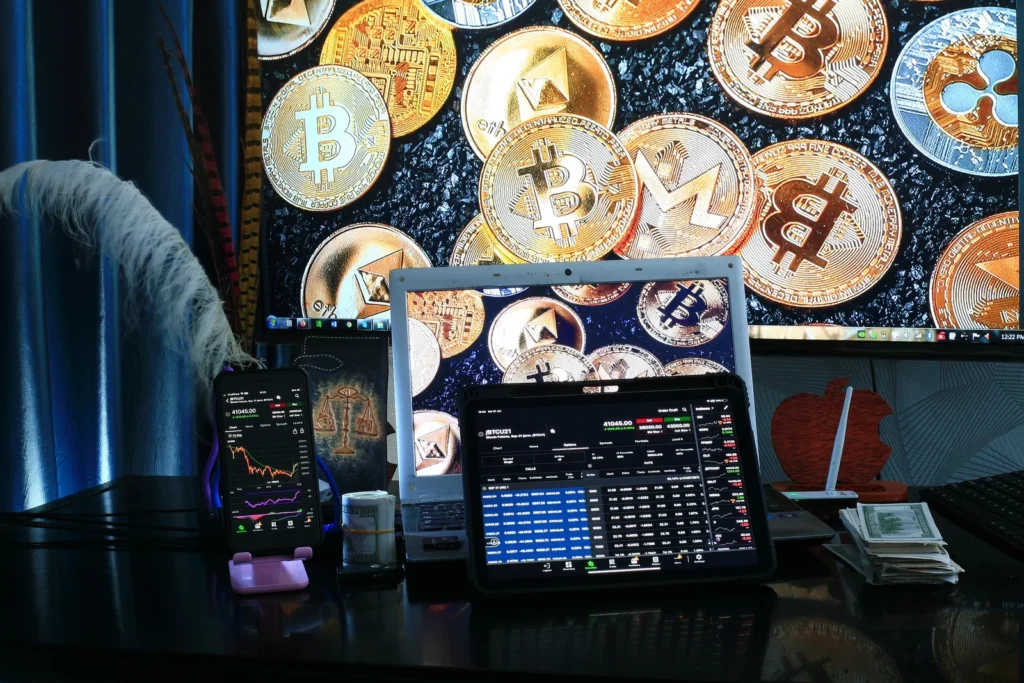
Cryptocurrency is a digital or virtual form of currency that uses cryptography for security and operates on decentralized networks based on blockchain technology. Unlike traditional currencies issued by governments and regulated by central banks, cryptocurrencies are typically maintained by a distributed ledger system known as blockchain, which ensures transparency, immutability, and security. The decentralized nature of cryptocurrencies eliminates the need for intermediaries, enabling peer-to-peer transactions with reduced fees and enhanced privacy.
Cryptocurrencies like Bitcoin, Ethereum, and Litecoin have revolutionized the financial landscape by introducing a new paradigm of digital finance. Their decentralized structure not only facilitates fast and borderless transactions but also provides users with control over their assets. As digital assets become increasingly popular, they also attract the attention of malicious actors seeking to exploit vulnerabilities within the system for fraudulent purposes.
Cryptocurrency Scams
As the popularity of cryptocurrencies grows, so does the prevalence of scams targeting unsuspecting individuals. Cryptocurrency scams exploit the lack of regulation and the relative novelty of digital currencies to deceive investors and steal funds. These scams can range from fraudulent investment schemes to sophisticated phishing attacks, each designed to manipulate victims into revealing sensitive information or making investments under false pretenses.
Common types of Cryptocurrency Scam
- Ponzi Schemes:
Ponzi schemes promise high returns with little risk, using funds from new investors to pay earlier investors. To avoid falling for these schemes, ensure you thoroughly research any investment opportunity and verify if it’s regulated by a credible authority. Avoid platforms that guarantee returns with no risk.
- Fake ICOs (Initial Coin Offerings):
Before investing in an ICO, check for a detailed and transparent whitepaper. Scammers often use fake ICOs to lure investors into buying tokens for non-existent projects. Conduct due diligence by reviewing team members and project partnerships, and avoid ICOs with vague or incomplete information.
- Phishing Attacks:
Phishing attacks trick individuals into providing their private keys or login credentials. Never share your private key with anyone, and always double-check the authenticity of websites and emails before entering sensitive information. Ensure that the website uses HTTPS encryption and verify URLs closely to avoid fake sites.
- Pump and Dump Schemes:
Fraudsters artificially inflate the price of a cryptocurrency, then sell their holdings after prices surge. To protect yourself, avoid making investment decisions based on hype or unsolicited tips. Investigate the fundamentals of any cryptocurrency before investing and be cautious of sudden price spikes.
- Rug Pulls:
In decentralized finance (DeFi) projects, rug pulls occur when developers promote a project, then withdraw all funds. Protect yourself by reviewing the project’s code, auditing reports, and whether the project’s developers are reputable and transparent. Be cautious of new projects without clear governance and security measures.
- Crypto Mining Scams:
Scammers promise high returns from cryptocurrency mining but fail to deliver. Be wary of mining services requiring upfront fees or expensive hardware purchases. Research legitimate cloud mining services, if necessary, and verify their credibility before committing funds.
Cryptocurrency Scam Recovery
Recovering funds lost to cryptocurrency scams can be a challenging and complex process, but it is not impossible. At Suave Reconn, our team of experts specializes in leveraging advanced blockchain forensic tools, AI algorithms, and OSINT to trace stolen assets and identify perpetrators. We work closely with legal professionals and regulatory authorities to facilitate asset recovery and help victims regain their financial security. Our approach is tailored to each case, ensuring a comprehensive strategy for maximizing recovery potential.
How to Detect Cryptocurrency Fraud?
Detecting cryptocurrency fraud requires a keen eye and a thorough understanding of common warning signs. Here’s an in-depth look at how to identify potential scams:
- Unrealistic Promises:
Scammers often lure victims by promising high returns with minimal effort, offering guaranteed profits in cryptocurrency investments. While these offers may seem tempting, they are often designed to create urgency and mislead potential investors. Always be skeptical of deals that seem too good to be true, especially in volatile markets. Legitimate investments, particularly in cryptocurrency, never guarantee returns and carry inherent risks.
- Lack of Transparency:
Transparency is essential in any legitimate cryptocurrency project. If you notice a lack of clear information regarding the team, operations, or project roadmap, it’s a significant warning sign. Fraudulent projects often obscure crucial details or present vague descriptions of their business model. Authentic projects offer detailed whitepapers, transparent team information, and open communication channels for the public. Always be cautious if such details are missing or unverifiable.
- Pressure Tactics:
Scammers use high-pressure tactics to rush victims into making decisions quickly. They often present fake deadlines or exclusive offers to compel quick action. Genuine investment opportunities give you ample time to conduct research and make informed decisions. If you feel rushed or pressured to invest, take a step back to assess the situation carefully. A legitimate opportunity will never force you to act immediately without full consideration.
- Unusual Requests:
Be cautious of any request for personal information, such as private keys or passwords, especially through unsolicited messages. Scammers frequently use phishing techniques to obtain sensitive data. Legitimate platforms will never ask for your private keys or login credentials via email or insecure methods. Always verify that you are communicating through official, secure channels before sharing sensitive information.
- Suspicious Communication:
Phishing scams often rely on deceptive emails or websites that mimic legitimate sources. Be on the lookout for poorly written messages, suspicious links, or incorrect contact details. These communications may appear to be from reputable institutions but often contain subtle errors. Always verify the authenticity of the sender by contacting the institution directly through trusted and official channels.
How to Avoid Cryptocurrency Scams?
Avoiding cryptocurrency scams requires a proactive approach and vigilance. Here’s how to protect yourself effectively:
- Conduct Thorough Research:
Before committing to any cryptocurrency project, ensure that you dive deep into understanding its legitimacy. Analyze the whitepaper, evaluate the development team, and investigate the technology behind the project. Seek out reviews, media coverage, and insights from other investors. It’s also crucial to verify the project’s history, including any legal concerns or controversies. The more comprehensive your research, the better equipped you’ll be to avoid fraudulent schemes and make informed decisions.
- Use Reputable Exchanges:
Opt for well-known, regulated cryptocurrency exchanges for your trading and investment needs. Reputable exchanges adhere to strong security standards, comply with regulatory requirements, and have positive user feedback. Avoid lesser-known or unverified exchanges that may lack the necessary security protocols. Always choose exchanges with a proven track record and a solid reputation for reliability.
- Enable Security Measures:
Safeguard your cryptocurrency by adopting strong security measures. Activate two-factor authentication (2FA) on your accounts to provide an added layer of protection. Store your private keys in hardware wallets or secure software wallets with encryption. Regularly review and update your security settings, and refrain from sharing sensitive information. Employing these security practices helps reduce the risk of unauthorized access or theft of your assets.
- Be Skeptical of Too-Good-To-Be-True Offers:
Exercise caution when presented with investment opportunities that boast incredibly high returns with minimal risk. These enticing offers are often used by scammers to trap unsuspecting investors. Always assess the plausibility of such returns and compare them with realistic industry expectations. Genuine investments carry inherent risks, and no opportunity can guarantee profits without some level of risk. It’s essential to scrutinize these offers thoroughly and seek professional advice when in doubt.
- Educate Yourself:
Stay up to date with the latest trends, security protocols, and common scams in the cryptocurrency world. Make it a point to regularly expand your knowledge on emerging threats and fraud techniques. Participate in discussions, read industry reports, and rely on trusted sources for information. Continuous education is key to recognizing potential risks and making sound, secure investment decisions.
What to Do When You Notice You Have Fallen Victim to Cryptocurrency Scam
If you realize that you have fallen victim to a cryptocurrency scam, it is crucial to act swiftly and strategically to mitigate the damage and attempt to recover your assets. Start by reporting the incident to the relevant authorities, including your local law enforcement and the cryptocurrency exchange or platform where the transaction occurred. This step is essential for initiating investigations and potentially freezing or recovering lost funds.
Gather all pertinent evidence related to the scam, such as transaction records, communication logs, and any documentation that can support your case. This evidence will be crucial for law enforcement and recovery experts to trace the scam’s perpetrators and the stolen assets. Ensure you document every detail thoroughly to facilitate a more effective investigation.
Contact your bank or credit card company if you used these financial services for the transaction. Inform them about the fraudulent activity, and they may assist in blocking further transactions or reversing charges. Additionally, consider seeking the expertise of a specialized asset recovery firm like Suave Reconn. Our team is skilled in using advanced forensic tools, AI algorithms, and blockchain analysis to track stolen assets and work with legal professionals to enhance your chances of recovery.
Monitor your accounts closely for any unusual activity and take immediate action to secure them. Update passwords, enable additional security measures, and remain vigilant to prevent further unauthorized access. Taking these steps promptly can help protect your remaining assets and support the recovery process.
Is it possible to recover your cryptocurrencies from a crypto scam?
If you have lost your crypto to a crypto scam, take prompt counter-measures, and trust Suave Reconn to guide through the process of recovering your funds, with adequate expertise and proficiency.
Latest News

The terms foreign exchange and currency are combined to form the term forex (FX). The process of changing one currency for another for a number of uses, most commonly trade, business, or travel, is known


Challenges and Techniques in Cryptocurrency Transaction Monitoring Cryptocurrencies have gained significant attention in recent years, with the market capitalization of cryptocurrencies surpassing $1 trillion in early 2021. However, the increasing popularity of cryptocurrencies has also

The cryptocurrency industry is a complex and largely uncontrolled global market. This combination has created a situation akin to the “Wild West,” where con artists may readily exploit novice cryptocurrency enthusiasts who are keen to