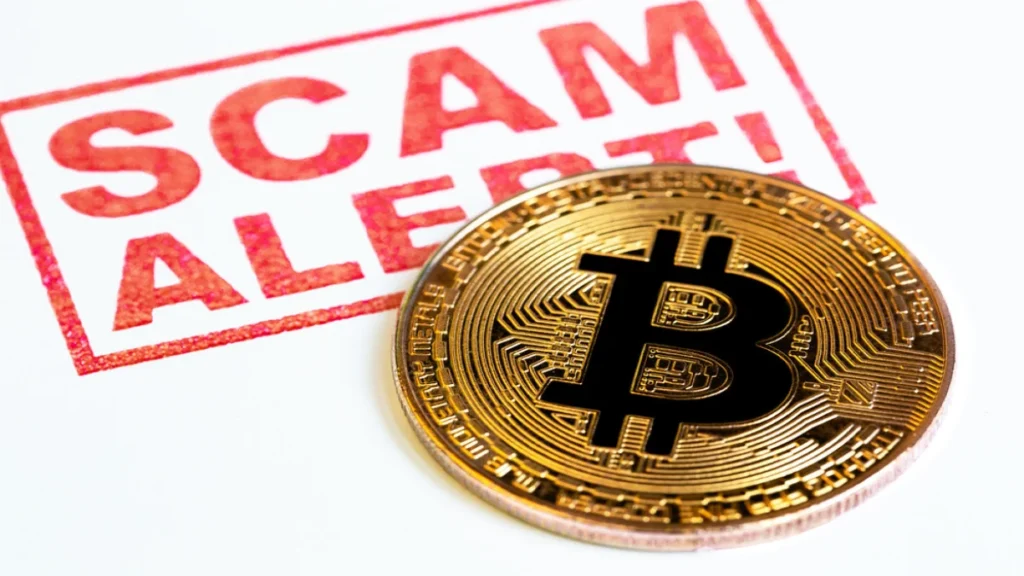
Bitcoin, launched in 2009, is the world’s first decentralized digital currency, revolutionizing the financial landscape with its peer-to-peer transactions and cryptographic security. It operates on blockchain technology, a public ledger that records all transactions, ensuring transparency and security. Unlike traditional currencies issued by governments, Bitcoin is not controlled by any central authority, making it a favored asset for those seeking privacy, autonomy, and global accessibility.
The appeal of Bitcoin lies in its limited supply and deflationary nature. With a maximum of 21 million coins that will ever exist, its scarcity often drives value. Bitcoin can be used for purchases, remittances, or held as an investment asset. However, its unregulated nature and anonymity have also made it attractive to cybercriminals, leading to various Bitcoin-related scams.
Bitcoin Scams
As the value and popularity of Bitcoin have surged, so have scams targeting unsuspecting investors. Cybercriminals exploit the decentralized and pseudonymous nature of Bitcoin to trick individuals out of their assets. Bitcoin scams come in various forms, and the sophistication of these schemes can range from simple phishing attacks to complex Ponzi schemes. These scams often prey on the fear of missing out (FOMO) and the promise of quick returns, making investors vulnerable to fraudulent schemes.
Common Bitcoin scams frequently involve fake investment opportunities, impersonation of legitimate businesses, and malicious software designed to steal private keys. It is crucial to be aware of these tactics to safeguard your investments and ensure that your Bitcoin dealings remain secure.
Common Bitcoin Scam Types
- Fake Investment Platforms:
Scammers lure investors by creating websites that mimic legitimate Bitcoin exchanges or investment platforms. They promise high returns or bonuses for deposits made in Bitcoin. Once the victim transfers their Bitcoin, the scammer disappears with the funds, and the platform becomes inaccessible. These platforms often promote pyramid schemes where existing users are incentivized to bring in new investors, perpetuating the scam.
- Phishing Scams:
Phishing scams are designed to steal a user’s private keys or login credentials. Scammers use fake websites or send deceptive emails that appear to be from trusted Bitcoin services. When users unknowingly enter their information, the scammer gains access to their wallets and can transfer funds without permission.
- Ponzi and Pyramid Schemes:
These scams promise consistent and lucrative returns on Bitcoin investments, often claiming that they use advanced trading techniques. In reality, these schemes pay early investors using the money from new investors. The scam collapses when there are no new participants to fund the payouts, leaving most investors with heavy losses.
- Bitcoin Wallet Scams:
Some scammers create malicious Bitcoin wallets that appear legitimate. These wallets either steal the user’s private key or mislead them into sending Bitcoin to the scammer’s address instead of the intended recipient. These fake wallets are often disguised as free downloads or promoted on social media.
- Fake Giveaways:
Fake Bitcoin giveaways are a popular scam where scammers impersonate well-known public figures or companies in the cryptocurrency space. They promise to double any Bitcoin sent to them as part of a promotional giveaway. These scammers typically use fake social media profiles and live streams to make the giveaway seem legitimate.
- Malware Attacks:
Malware designed to target Bitcoin users can infiltrate computers and steal sensitive information, such as wallet addresses or private keys. These attacks often come through malicious downloads or links, allowing scammers to drain the victim’s Bitcoin holdings without their knowledge.
Bitcoin Scam Recovery
Recovering funds from a Bitcoin scam can be complex, but it is possible with the right tools and expertise. Suave Reconnemploys advanced blockchain intelligence, AI modeling, and OSINT techniques to trace Bitcoin transactions, identify the perpetrators, and assist in legal recovery processes. By analyzing the transaction history and on-chain data, we can pinpoint the flow of stolen assets, often leading to law enforcement or judicial action. Additionally, our team specializes in creating recovery strategies tailored to each client’s unique situation, ensuring the best possible outcomes for victims of Bitcoin scams.
How to Detect Bitcoin Fraud?
- Fake Investment Platforms:
Scammers lure investors by creating websites that mimic legitimate Bitcoin exchanges or investment platforms. They promise high returns or bonuses for deposits made in Bitcoin. Once the victim transfers their Bitcoin, the scammer disappears with the funds, and the platform becomes inaccessible. These platforms often promote pyramid schemes where existing users are incentivized to bring in new investors, perpetuating the scam.
- Phishing Scams:
Phishing scams are designed to steal a user’s private keys or login credentials. Scammers use fake websites or send deceptive emails that appear to be from trusted Bitcoin services. When users unknowingly enter their information, the scammer gains access to their wallets and can transfer funds without permission.
- Ponzi and Pyramid Schemes:
These scams promise consistent and lucrative returns on Bitcoin investments, often claiming that they use advanced trading techniques. In reality, these schemes pay early investors using the money from new investors. The scam collapses when there are no new participants to fund the payouts, leaving most investors with heavy losses.
- Bitcoin Wallet Scams:
Some scammers create malicious Bitcoin wallets that appear legitimate. These wallets either steal the user’s private key or mislead them into sending Bitcoin to the scammer’s address instead of the intended recipient. These fake wallets are often disguised as free downloads or promoted on social media.
- Fake Giveaways:
Fake Bitcoin giveaways are a popular scam where scammers impersonate well-known public figures or companies in the cryptocurrency space. They promise to double any Bitcoin sent to them as part of a promotional giveaway. These scammers typically use fake social media profiles and live streams to make the giveaway seem legitimate.
- Malware Attacks:
Malware designed to target Bitcoin users can infiltrate computers and steal sensitive information, such as wallet addresses or private keys. These attacks often come through malicious downloads or links, allowing scammers to drain the victim’s Bitcoin holdings without their knowledge.
Tips to Protect Yourself:
- Check the Platform’s Authenticity:
Before investing or transferring Bitcoin, verify the legitimacy of the platform. Look for credible reviews, cross-check the website URL, and ensure the platform is regulated or verified by credible bodies in the crypto space.
- Unrealistic Promises:
If a platform guarantees incredibly high returns on Bitcoin investments, it’s likely a scam. Legitimate investments always carry risks, and no one can guarantee massive profits with Bitcoin.
- Unsolicited Offers:
Beware of unsolicited messages or emails offering you investment opportunities or giveaways. Scammers often use phishing techniques to lure victims into fraudulent schemes.
- No Clear Whitepaper:
For new cryptocurrency or Bitcoin-related projects, ensure they have a clear and transparent whitepaper. Scammers often launch fake projects with vague or nonexistent documentation to confuse potential investors.
- Private Key Requests:
Never share your private key. Any request for your private key, no matter how legitimate it may seem, is likely a scam. Only you should have access to it.
- Unknown Wallet Addresses:
When transferring Bitcoin, double-check the wallet address. Scammers use malware to alter destination addresses, redirecting your funds to their wallets instead.
How to Avoid Bitcoin Scams?
- Use Reputable Wallets and Exchanges:
Ensure you store and trade your Bitcoin on well-known and trusted platforms. Reputable platforms have strong security measures, such as two-factor authentication (2FA), to protect against theft.
- Educate Yourself:
Keep up to date with the latest Bitcoin scams and security threats. Scammers continuously adapt their methods, so staying informed helps reduce your risk.
- Verify the Source of Information:
When participating in giveaways, investments, or exchanges, confirm the legitimacy of the entity. Always use official websites and verified social media channels to gather information.
- Employ Strong Security Practices:
Use secure passwords and enable multi-factor authentication on all your crypto-related accounts. It’s also important to keep your computer or device free from malware and viruses that could compromise your Bitcoin.
- Avoid Peer-to-Peer Transactions with Unknown Parties:
Direct trades with strangers can expose you to significant fraud risks. If necessary, use an escrow service that holds the Bitcoin until both parties fulfill their part of the deal.
What to Do When You Realize You’ve Been Victimized by a Bitcoin Scam?
If you suspect you’ve fallen victim to a Bitcoin scam, it’s crucial to act promptly. First, report the fraud to the platform involved and file a complaint with the relevant regulatory bodies, such as the Financial Conduct Authority (FCA) in the UK, the Federal Trade Commission (FTC) in the U.S., or your country’s equivalent agency. Preserve all evidence, including transaction details, emails, and any communication with the scammer, as this will be critical for further investigations and recovery attempts. Next, seek assistance from a professional crypto asset recovery service like Suave Reconn. Our team specializes in blockchain forensics, using advanced tools to track your stolen Bitcoin and build a recovery case. We also work closely with law enforcement and legal professionals to help ensure that every avenue for asset recovery is explored. Swift action and expert guidance significantly enhance your chances of recovering lost funds.
Is it possible to recover your Bitcoin from a Bitcoin scam?
If you have lost your Bitcoin to a Bitcoin scam, take prompt counter-measures, and trust Suave Reconn to guide you through the process of recovering your funds, with adequate expertise and proficiency.
Latest News

The terms foreign exchange and currency are combined to form the term forex (FX). The process of changing one currency for another for a number of uses, most commonly trade, business, or travel, is known


Challenges and Techniques in Cryptocurrency Transaction Monitoring Cryptocurrencies have gained significant attention in recent years, with the market capitalization of cryptocurrencies surpassing $1 trillion in early 2021. However, the increasing popularity of cryptocurrencies has also

The cryptocurrency industry is a complex and largely uncontrolled global market. This combination has created a situation akin to the “Wild West,” where con artists may readily exploit novice cryptocurrency enthusiasts who are keen to